
YouTube Inserts Itself Further Into the Creator-Ad Morass
Is it time to build a giant YouTube Ad Network?

YouTube is back in the original content business - well, sort of.
My question is whether the Google-owned video hub is ready to dive into the muck of influencer integrations.
If so, it might be onto its next giant revenue stream. Backed by a decidedly old model.
At the Go Addressable Upfront event on Thursday in New York, Hearts and Science Chief Investment Officer Georgina Thompson talked about how this year’s upfronts were refreshing in that the big networks actually talked about shows, instead of just “who has what sports rights?”
But another buyer I spoke to this week wondered, what does it really matter - if his clients mostly cared about audience -and “most of these new shows will get a 1 rating.”
It’s true that it’s hard to have confidence that many new series from the traditional media companies have the potential to break out - particularly on linear TV. Which is why NBCU talked up events like various Housewives reunions, and Disney hyped up having both the Grammys and Super Bowl. Sales chief Rita Ferro even called her company’s Disney+ and Hulu bundle “the largest premium ad supported offering in streaming” - a not so subtle dismissal of YouTube.
Meanwhile, YouTube came out with an upfront that almost felt like it was straight from the three network 1990s heyday - repeatedly talking about a slate of new shows that brands can get in on on the ground floor.
Yes, YouTube has tried this before, including its original channels strategy circa 2011, and more recently, scripted fare such as Cobra Kai (which was launched on YouTube’s old subscription service) and a handful of side projects like Kevin Hart’s “What the Fit?”
Those shows didn’t fully embrace the YouTube creator aesthetic- and notably, they were before YouTube became a force on TV screens.
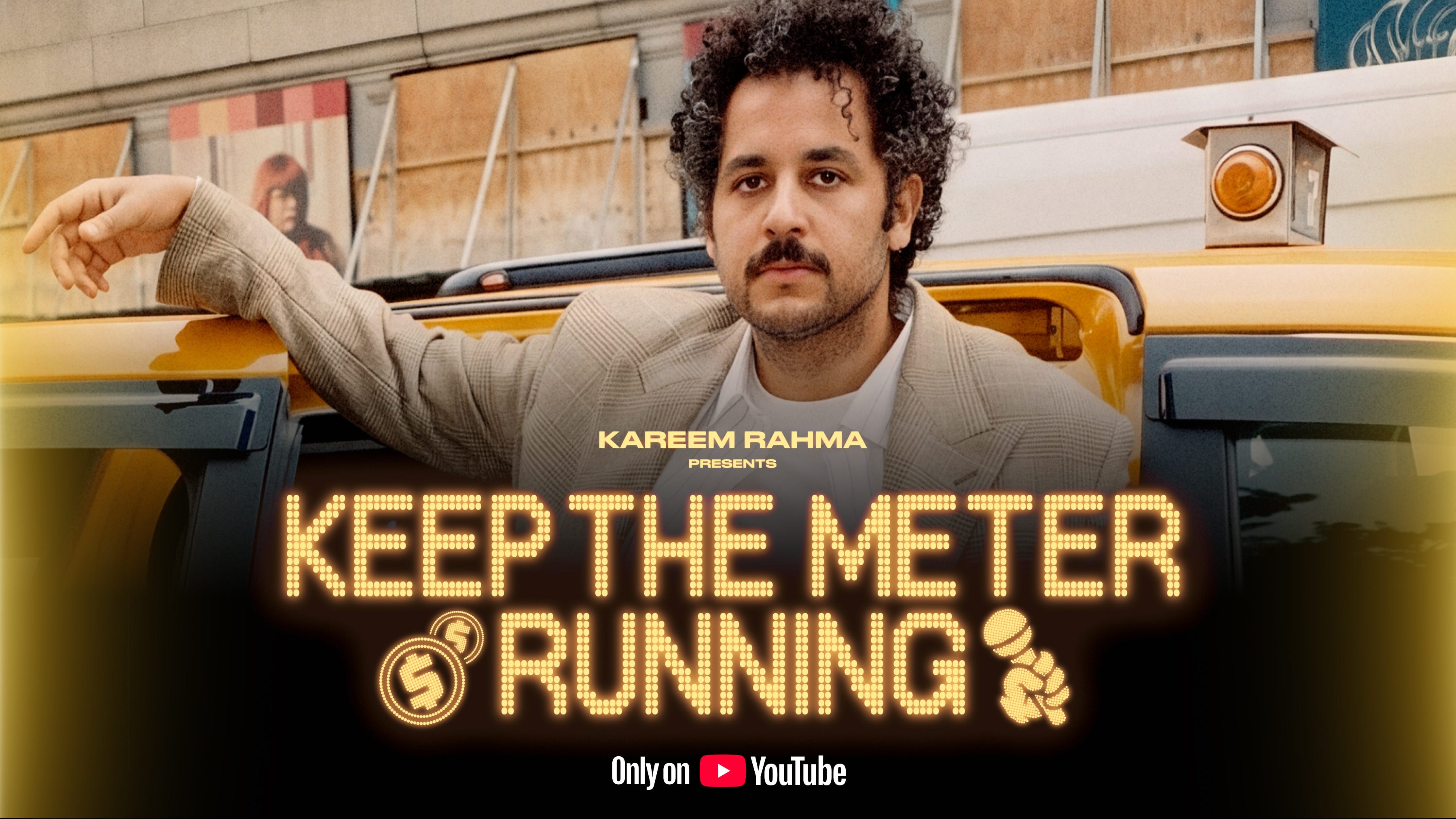
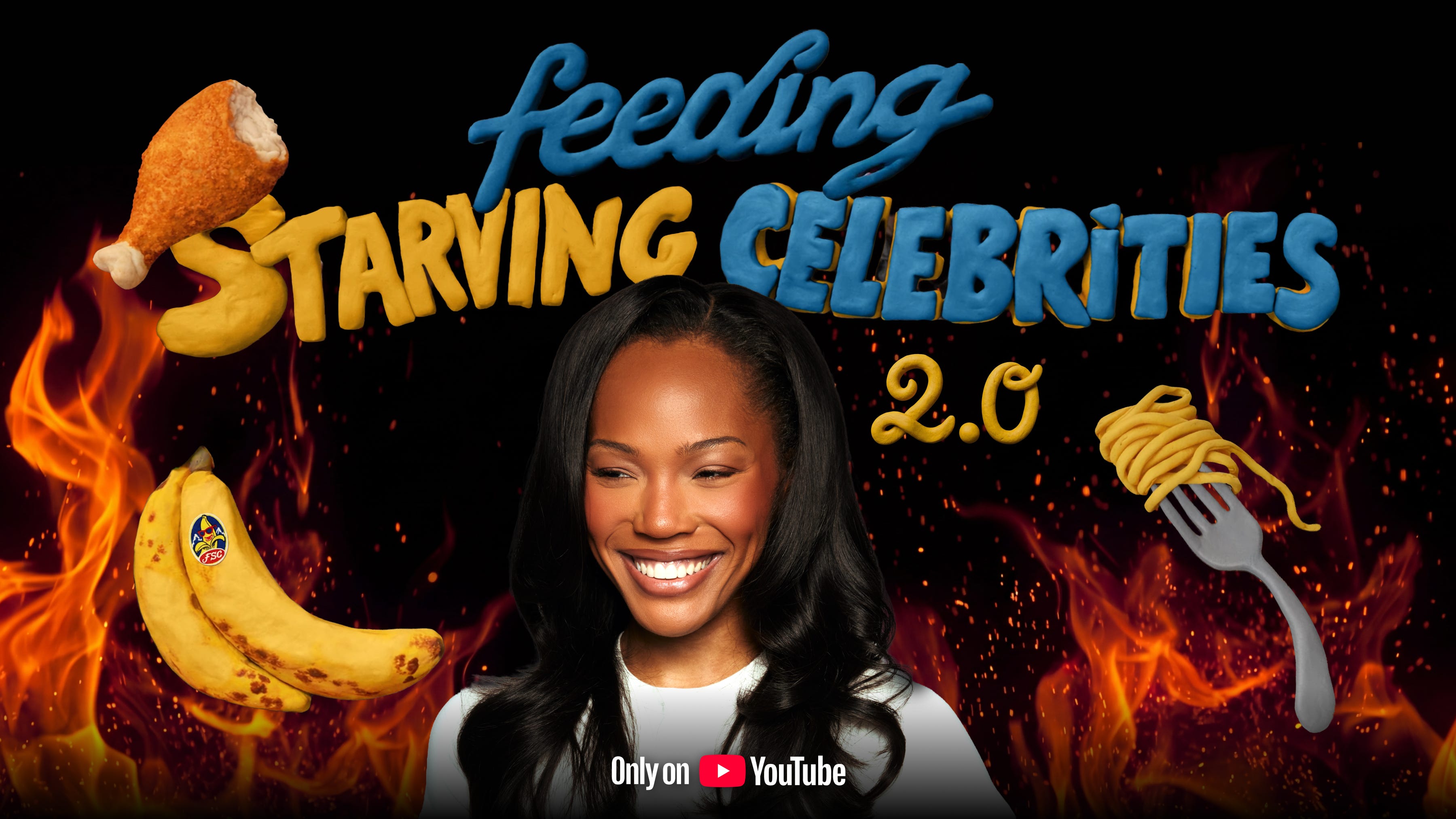
This time around, the originals slate all comes from creators with major followings and existing track records in producing series that borrow from classic TV formats (talk shows, cooking shows). The list includes Jesser’s “Summer of Soccer,” Quen Blackwell’s “Feeding Starving Celebrities 2.0” and Kareem Rahma of “Subway Takes” fame’s New York taxi-set “Keep the Meter Running.”
My point is, unlike the big trad media companies, YouTube can sell advertisers on a new roster of shows that are almost guaranteed to find an audience given these creators’ existing followings, their prominence in people’s feeds and their audience’s goodwill. They should at least get what they used to call in TV “sampling.”
TV networks used to be stuck with “programming shows using formulas and focus groups,” said YouTube CEO Neal Mohan. But creators let audiences tell them what they want.
Plus, Adweek’s Mark Stenberg made a really good point: “It also gives the platform a clearer answer to the question of where exactly a brand’s ad will run, a perennial pain point for advertisers wary of YouTube’s long tail.”
The question is - how exactly is YouTube selling this lineup - and where might it lead?
“We’re just getting started unlocking new ways to partner with creators,” Mohan added.
For if YouTube has had any knocks against it during its CTV era, it’s that it lacks the quick audience accumulation that traditional TV has always been good at - reaching 10 million people on a given Thursday. Which is why sports and events still prop up the old guys.
Now, theoretically, YouTube can start selling brands more predictable viewership when these news shows hit. It’s a way to help the company create some sort of scarcity when it often feels like its supply is endless. “Tried and true formats are being completely reinvented,” said comedian Trevor Noah, who hosted YouTube’s Brandcast event on Wednesday at Lincoln Center.
But the strategy raises lots of interesting questions.
For starters:
Is YouTube just selling exclusivity for the ads around these shows (e.g. pre-rolls, mid-rolls?)
Or is YouTube selling full-on brand integrations?
If so, is YouTube selling quick and easy sponsorships (like having Coke’s logo in Dude Perfect’s Squad Games)? Or more complex, high-touch integrations?
If it’s the latter - that’s potentially messy - and not very Google.
Either way, is Google going to take a cut?
But clearly, Google realizes that YouTube’s super power is not just in ads next to creators, but their endorsements. It’s why the company has pushed YouTube Creator Partnerships.
Per Sean Downey, President, Americas & Global Partners at Google:
“When creators talk about products on YouTube, viewers are 13 times more likely to search for the brand and 5 times more likely to buy.,”
That being said, getting creators to talk about a brand’s products is of course different than simply running ads next to a creator’s show. It’s also on pace to become a $50 billion-plus category in the US.
Here’s my unsolicited advice:
YouTube has a massive sales team and existing, well-established ad demand. They could build a killer creator ad network - strike deals with all the big new mini-media companies (Mythical Entertainment, Smosh etc.), specifically selling their long-form series
YouTube could go even further and start selling its dynamic ad product for a much broader network of creators and podcasters producing series that draw consistent audiences
The Let’s Get Crazy option. YouTube already has a product geared for helping brands glom quickly onto trending moments. I’ve often thought that the site should sell Prime Time Takeovers (made-up product) - letting brands push their messages out to YouTube’s entire audience (or big chunks of it - all brand-safe stuff) during traditional prime time. Surely, YouTube could rack up millions of concurrent viewers on a regular basis.
But of course, there’s a few catches:
As mentioned, the more custom creator integrations, the more effective they often are -and the harder they are to scale
Plus, a growing number of creators are becoming legit media companies - and may no longer need or want YouTube’s help in selling ads. Look at Mr. Beast, hosting his own upfront this week.
What do you think?