
There's No Doubt Microsdramas Are Blowing Up. But They May Never Be a Big Ad Vehicle.
"You don’t want to watch four minutes of adverts for a 90-second episode"

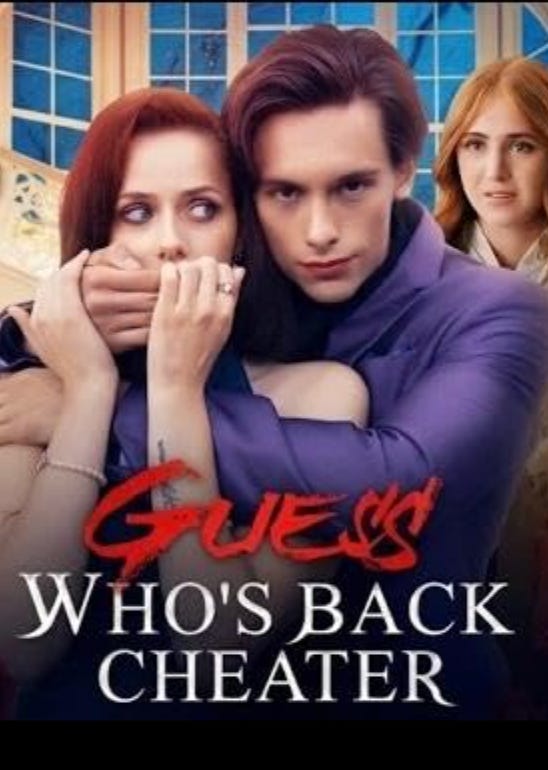
Given how massive short-form content has become, it’s become popular to lament Vine. If only the old gang at Twitter could have seen the future, they’d rule social video today, right?
The thing is, people like to forget that Vine was built around six-second videos. Unless the product fundamentally changed, it was going to be extremely difficult to monetize. What was the answer? Three-second pre-rolls?
I bring this up because of the hype surrounding microdramas, which are - as the name implies - really short. Not six seconds short, but not exactly built for three-minute ad pods. Yet given the ad industry’s current exuberance, surrounding the trend, you’d think that the next great ad medium has been born.
What’s really different here versus the Vine analogy is that microdramas - at least as constituted today - already have a thriving business model; the researcher Omdia pegs global revenue at $11 billion. Most observers expect huge continued growth.
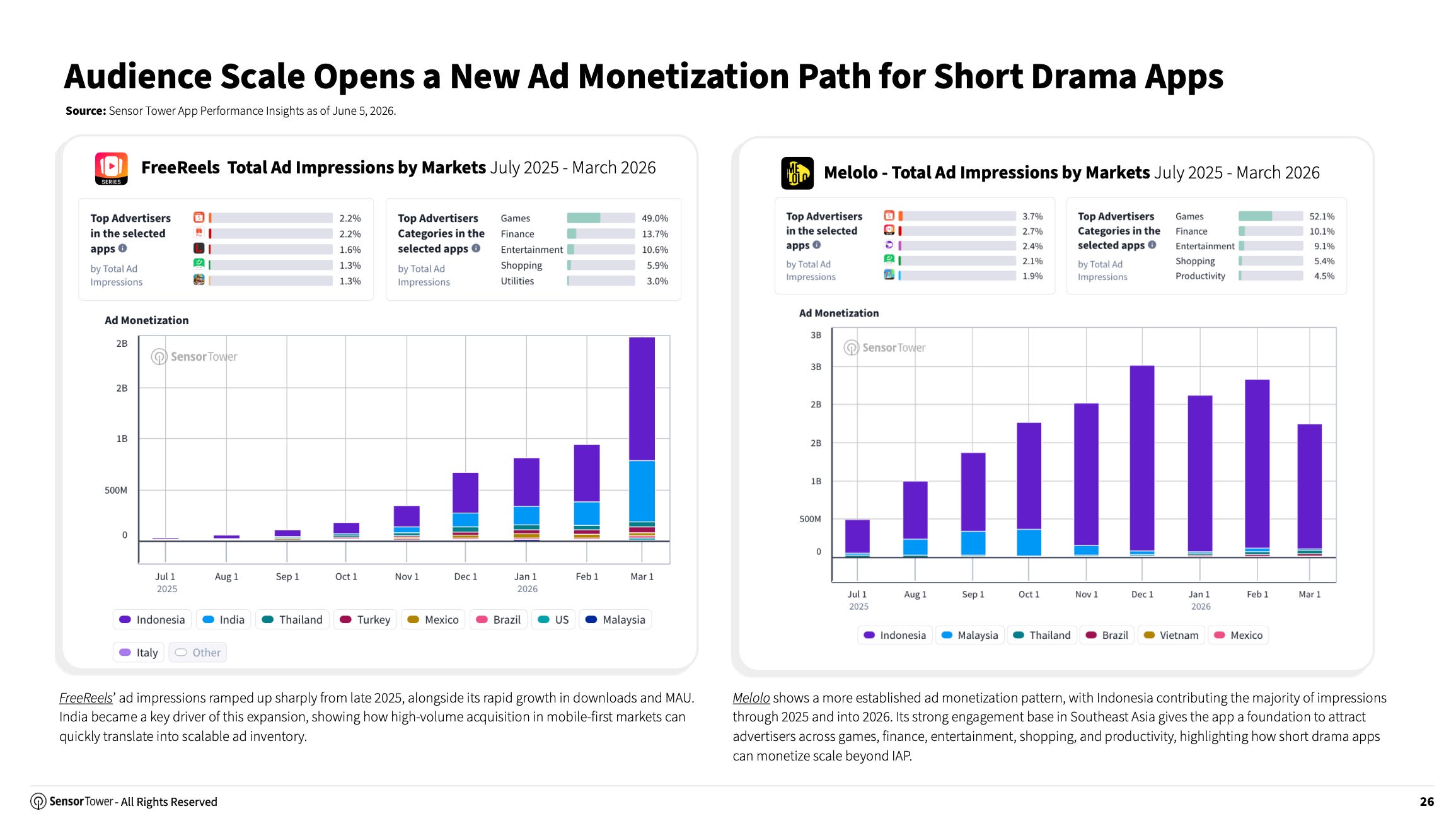
All those insane projections are largely based on existing microdrama companies’ vibrant subscription or token-based models, with advertising making up a very small portion of revenue.
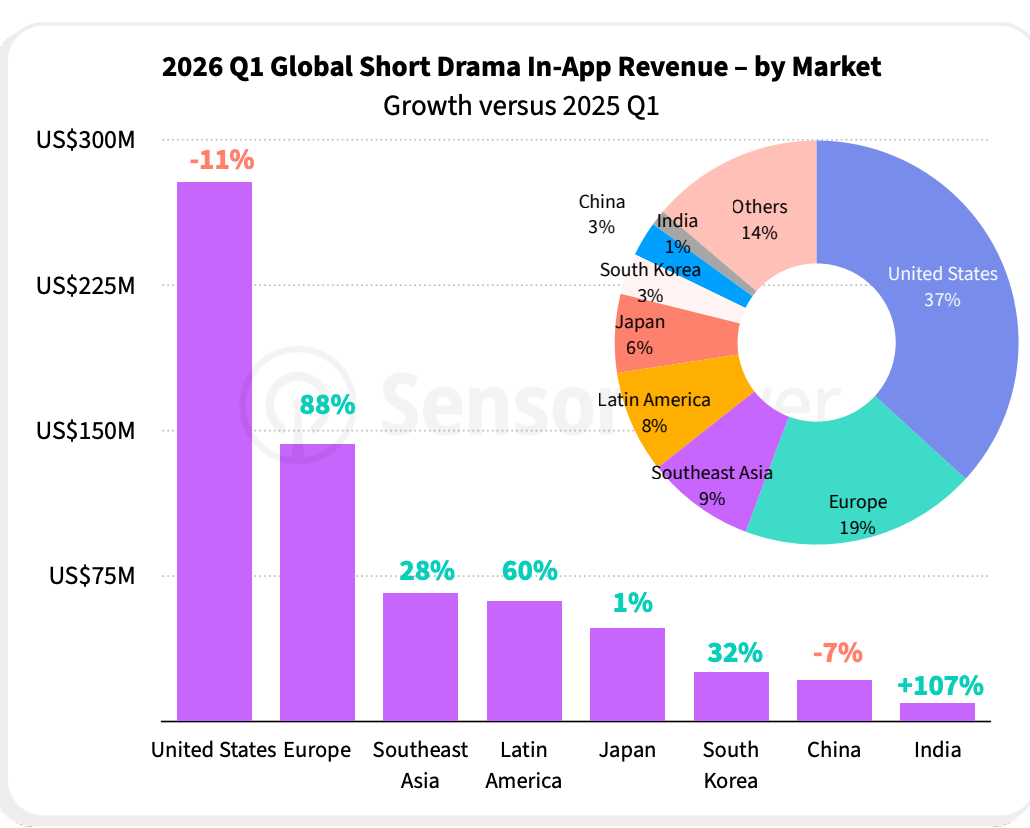
Sensor Tower Data
Maria Rua Aguete, Senior Research Director, Media and Entertainment, Omdia, said the potential for advertising today is “tiny” as interrupting consumers with ads may just not work “not when episodes are 90 seconds each. The adverts are horrendous because for a 90-second clip, the adverts can be two or three minutes and they’re terrible. We need new formats. Not necessarily ad breaks. That’s why we’re going back to the soap opera.”
Indeed, there have been a number of intriguing experiments to date from brands fully underwriting microdramas.
“The Golden Pear Affari,” which was created by Procter & Gamble to tout the brand Native
Recently, Albertson’s rolled out “Rico’s Tacos,” a short form sitcom features a series of P&G products
“It’s hard to get people’s attention,” said Julian Mintz, VP of Sales, Albertsons Media Collective. “Does a pre-roll play here? I’m not sure. Content integration is always going to be key for this.”
Check out Sabio’s new digital publication The Signal

These shows are surely worthy experiments. But how many branded microdramas can be churned out in a given year? People like to liken this to the soap opera model, while forgetting that back in that era, Procter and Gamble fulled-owned shows like “Another World,” (RIP Vicky/Marly), and tons of non-P&G brands bought traditional ad space on these soaps. They weren’t branded entertainment, per se.
There is a reason that as much as Hulu and Netflix have experimented with shows that are fully funded by brands, they aren’t the norm.
Game Off
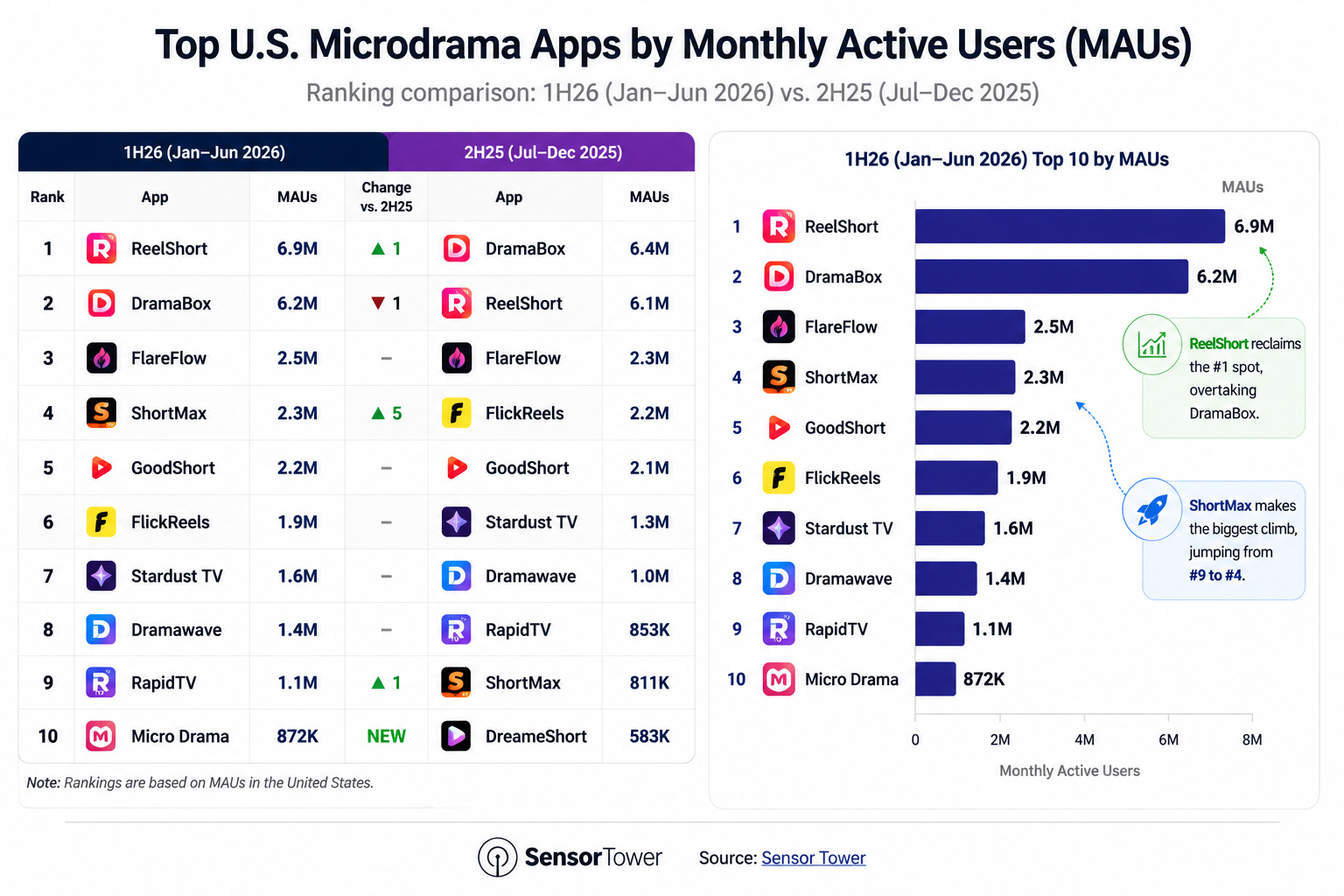
If you look at the top players in the micro drama space, the biggest players, DramaBox and ReelShort, are thriving thanks to lucrative payment options, while advertising is almost set up to drive people to pay to avoid it.
This reminds me a lot of the video game market, which has always wrestled with the question of whether it’s worth bothering with advertising when it’s got such a great thing going with paying customers. (Case in point, Fortnite).
“Microdramas came from a different part of the industry,” said Lior Friedman, co-founder of the ‘vertical TV studio’ Roseberry Media at the StreamTV show back in June.“Many are over-indexing on the gamification.”
“Everyone compares this to gaming,” added Rua Aguete. “The concepts of engagement and discovery are similar.” Plus, like in mobile gaming, these apps constantly have to bring in new customers by advertising their games across other apps. “They spend millions with Meta and TikTok.”
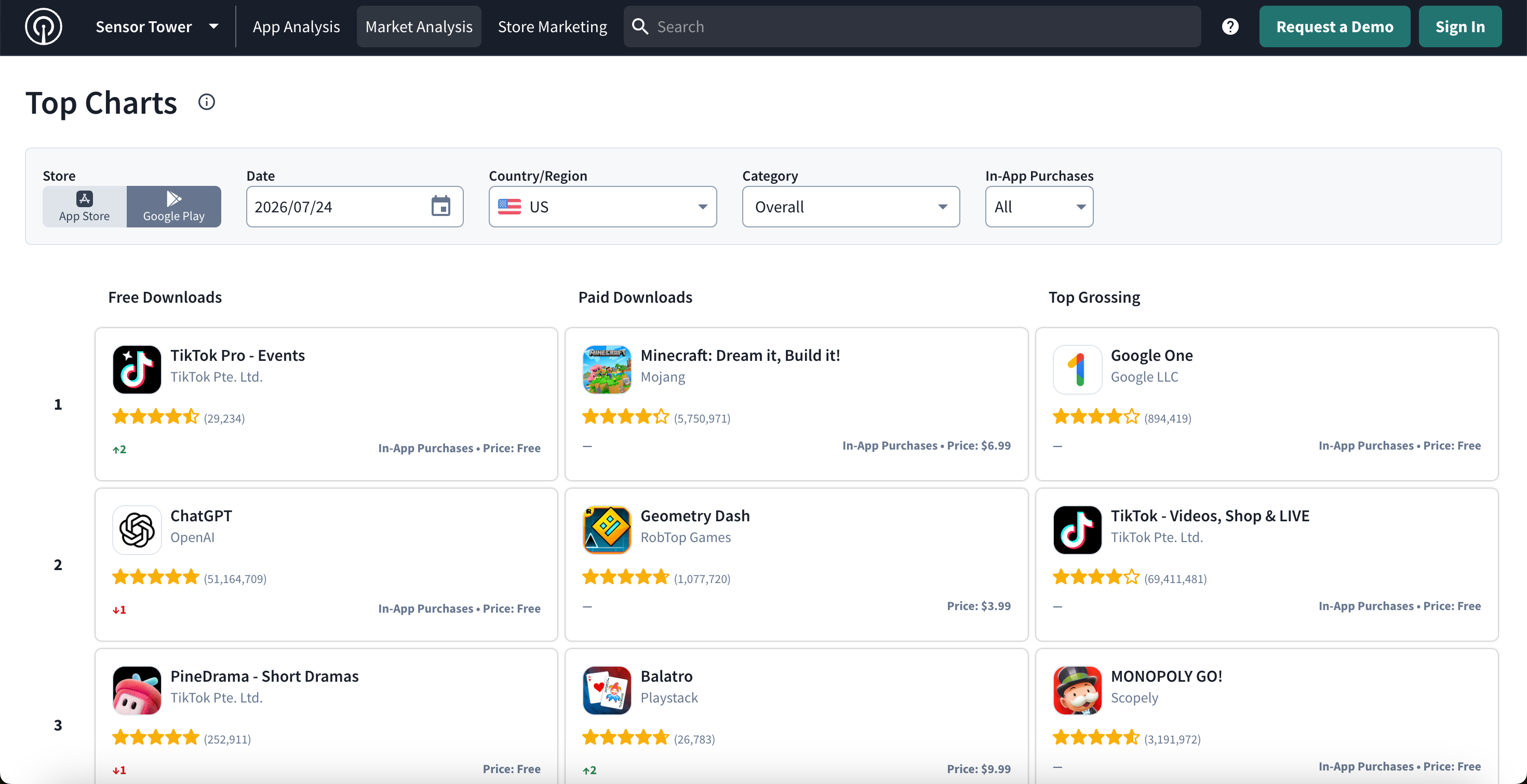
All that being said, the audience for microdramas is undeniable, and growing, which is causing more big players to bet on a more ad-friendly model. Early this year, TikTok rolled out Pine Drama, which at the moment features a library of racy, soapy of shows such as “Daddy, You Owe Me 3 Years of Milk Money” and “My Plane Was Crashing…While My Family Celebrated The Fake Heiress.”
They are cheap looking, and very cheesy (but perhaps someone who used to watch “Dynasty” religiously shouldn’t judge). Yet at the moment, the app is free, and given TikTok’s core business, seems ripe for advertising. In fact, in May TikTok unveiled TikTok Growth Max, an ad product designed to help brands reach ‘Mini Series’ viewers.
Also due sometime this summer is aTwist, a microdrama app that was announced way back in August of last year, originally as a joint venture between Banyan Ventures and Cineverse, before Cineverse pulled back investment a few months ago citing market saturation (not a great sign). The startup is promising that aTwist will serve as an antidote to doom scrolling.
Lifetime is getting in on the action. And later this fall, Canela Media is set to roll out Zully, which is aimed a more advertising-friendly target.
“The potential for the market is much bigger,” said Friedman. “You don’t just read ‘50 Shades of Gray’ The potential for the market is much bigger. We are going to see a lot more destinations for vertical content.’
“It’s gold rush time,” added Eli Shell, Founder, Sidewise Studios.
Isabel Rafferty Zavala, Co-Founder, CEO at Canela Media, likened the current paid microdrama boom to the early days of streaming, before subscription fatigue set in, and a slew of ad tiers and FAST channels emerged. “Today some people are paying $19 a week,” she said. “It’s crazy. You’re not going to reach the whole population that way.”
Zavala thinks Zully’s content, which will be aimed at the Gen Z market, will appeal to more mainstream advertisers, as it’s designed to be brand safe from the get go. “So much current [microdrama] content is very spicy in nature,” she said. Some of the current content in the market is so racy that, “no reputable brand will be part of that.”
Canela is planning to have 50 original series available at launch, including the likes of “Wow My Mom is the Mob Queen” and “Cuffed to My Silver Fox Captain.” Several Zully shows will have brand messages weaved into their storylines.
One area where brands are still wary, acknowledged Zavala, is AI-produced content, which is already becoming common in this sector. Zully is planning a mix of actors, creators, and AI subjects for its shows. “We’re work closely with brands,” she said.
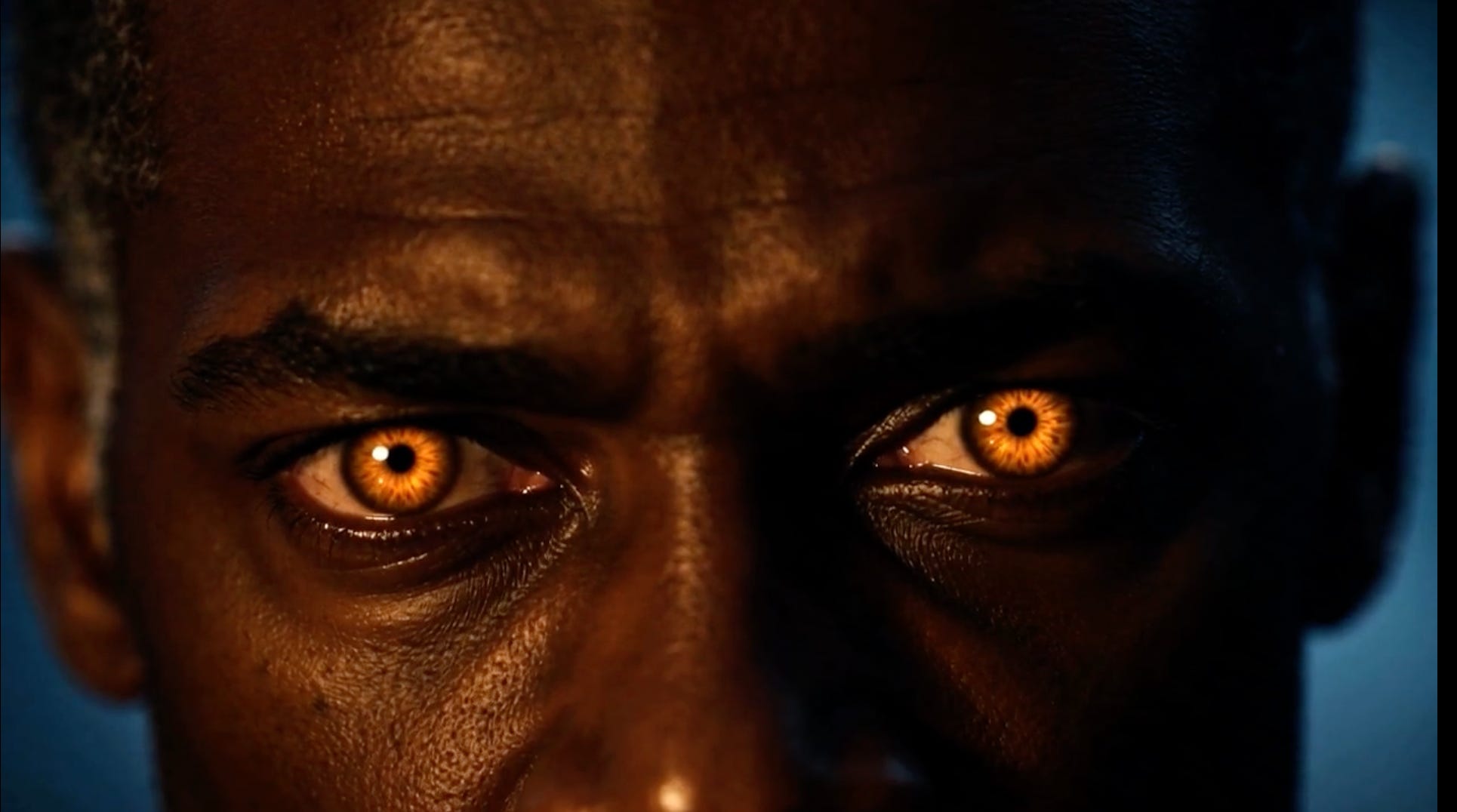
An AI generated character from Zully
“Not all of them feel uncomfortable with AI yet. “There is a lot of hand holding, talking to legal departments.”
It does make sense to me that consumers will stop paying for these casino-like drama apps once their bills get out of control. Plus, there are numerous examples of mobile models from China not translating well to the US. However, Rua Aguete argued that applying logic to this category may be a mistake
“We're making the wrong comparison because behavior on a mobile phone is very different to logic monthly subscriptions on your TV,” she said.”How many of us now have amazing coffee machines at home? Still we buy espressos when we leave the house for 300 pounds. Why do we do this stupid thing when we have an amazing coffee machine at home. So this is the same that’s a really interesting.”
Regardless of which model wins out, most observers seem to agree on one thing. Not all of these microdrama players are going to last.
“It’s crowded said Rafferty Zavala. “What is going to win is differentiation. We know how to produce content {for Latin America, etc.] Companies from theAsian market - don’t know those nuances
“Today there are thousands of FAST channels,” said Rua Aguete. Will they all be successful? No, many will collapse”
AI Unemployment on Hold For Now
One of the things that really stood out this year at Cannes was that - we were all still there. The event was a packed as ever, despite the vibe a year ago which felt like the party might be just about over thanks to AI.
I sat down with CEO Wpromote Andrea Bendzick at Cannes for the Next in Media podcast this week to talk about how AI has and hasn’t blown up the agency model:
What we’re really investing in is removing the busy work. Let AI really lean into that to give room and space for the bigger thinking and strategy that’s involved.”
“AI and technology is very powerful at repeating what it already knows, but recognizing the nuance it doesn’t do well.”
On whether the big holding companies’ push to become platforms changes the need for indy shops: "Our clients are really looking for outcomes and confidence in dollars. We could talk platform all day. At the end of the day, if you don't drive the outcomes, it doesn't really matter."
Check out the full interview here:
Thanks Howard. It will be interesting to see what kind of attentiveness brands feel they can get from the microdrama audience vs. CTV, which has suddenly become flooded with cheap inventory (FAST)
Another good piece Mike....but I still believe jury is out. As long as marketing execs are still on hunt for other ways to reach consumers directly-at much lower CPM's that traditional advertising and marketing tools-outflanking media options might still proliferate